thaaiullamhomecare.com

Infection Prevention at Home: Simple Safety Habits Every Family Caregiver Should Follow

Infection prevention is not only for hospitals. It matters at home too. It matters more when there is a senior at home. It matters when a patient is recovering. It matters when there is a newborn baby at home.

Most infections start from small things. Unwashed hands. Dirty surfaces. Shared towels. Poor ventilation. These look small. But they can become serious.

The good news is simple. Infection prevention at home is possible. You do not need complicated steps. You need consistent habits.

This guide explains simple safety habits. It is written for families in Tirunelveli who care for seniors, patients, and babies at home.

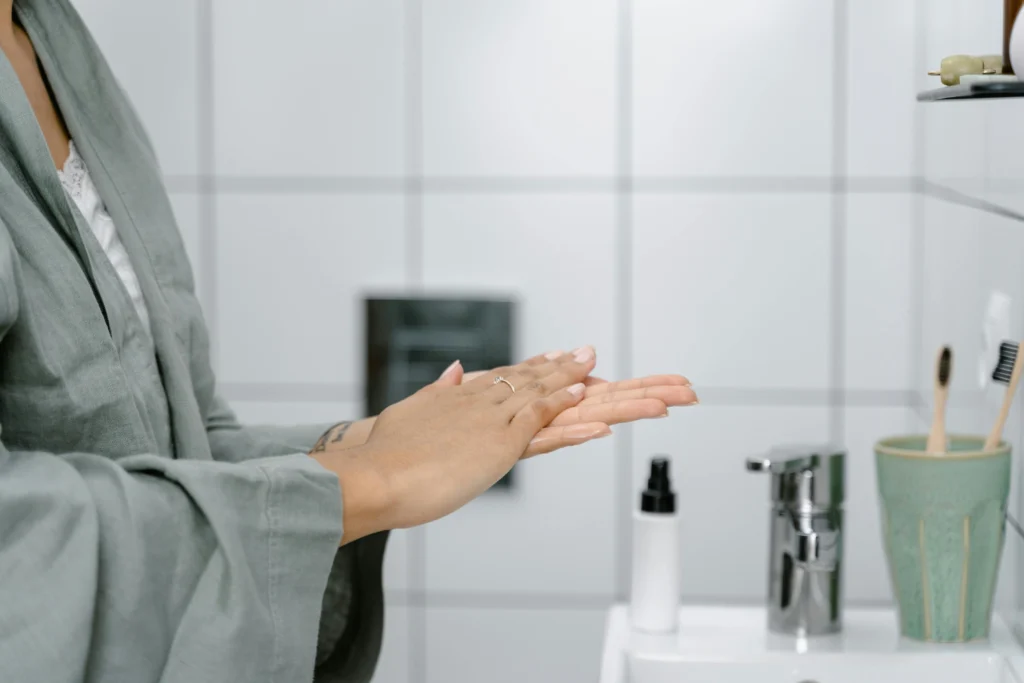
Clean Hands: The Most Important Habit

Hand hygiene is the first step. Wash hands:

  • Before touching the person
  • After helping with hygiene routines
  • After using the toilet
  • Before preparing food
  • After returning from outside

Use soap and water. Rub properly. Rinse properly. Dry using a clean towel.

If soap and water are not available, use hand sanitizer. But do not depend on sanitizer alone.

Keep High-Touch Surfaces Clean

Some surfaces are touched many times daily:

  • Door handles
  • Switchboards
  • Phone screens
  • Remote controls
  • Bed rails
  • Bathroom taps

Clean these daily. Use a simple disinfectant. Do not skip this routine. It reduces infection spread inside the home.

Create a “Care Corner”

Keep care items in one place. This reduces mistakes. It also improves cleanliness and patient care at home.

Keep these items together:

  • Clean towels
  • Soap and sanitizer
  • Gloves (if used)
  • Waste bags
  • Tissue or wipes

Do not mix care items with kitchen items. Keep them separate.

Laundry Routine Matters

Laundry is often ignored. But  laundry help services matters. Clothes, towels, and bed sheets can carry germs.

Simple rules help:

  • Wash towels regularly
  • Do not reuse wet towels
  • Wash bed sheets on schedule
  • Keep separate laundry for the patient if needed

Dry clothes fully. Damp fabric can grow germs.

Hygiene Support Needs Extra Care

When assisting with bathing or diaper changing:

  • Wash hands before and after
  • Use clean items
  • Dispose waste safely
  • Clean the area after use

Keep the process calm. Do not rush. A calm hygiene support at home reduces mistakes.

Kitchen Hygiene Protects Everyone

Food hygiene is part of infection prevention. Use clean utensils. Wash fruits and vegetables properly. Store cooked food correctly.

Do not let cooked food stay open for long. Keep drinking water clean. Maintain kitchen cleanliness daily.

Ventilation Helps a Lot

Fresh air reduces infection spread. Keep windows open when possible. Improve airflow. Avoid keeping the room closed all day. Talk to Thaai Ullam Home Care for home cleaning support.

A clean, fresh room also improves comfort and breathing.

Limit Visitors When Needed

During recovery or when there is a newborn, too many visitors increase risk. Keep visits short. Keep distance if needed. Ask visitors to wash hands.

This is a simple rule. But it protects the whole family.

Keep Separate Personal Items

Avoid sharing:

  • Towels
  • Toothbrush
  • Soap
  • Water bottles
  • Bedsheets

Separate items reduce infection spread. Label items if needed.

Know When to Ask for Support

If the patient has fever, unusual weakness, or symptoms that worry you, do not ignore. Speak to a doctor. Ask for professional guidance.

Home nursing and caregiver support can help families maintain clean routines. It can also reduce caregiver stress.

Closing

Infection prevention at home is not about fear. It is about good habits. It is about consistency. It is about protecting the person you love.

Small steps daily can prevent big problems.

For families in Tirunelveli, structured care routines and basic cleanliness are the strongest protection. Talk to Thaai Ullam Home Care.

Scroll to Top